

AI pricing: Pay more than your neighbor?

DFL introduces bill to ban surveillance pricing
DFL lawmakers have introduced a bill to ban AI surveillance pricing in Minnesota. FOX 9's Corin Hoggard has the latest.
ST. PAUL, Minn. (FOX 9) - Artificial intelligence is changing how prices are set at grocery stores and other businesses, and Minnesota lawmakers are stepping in to address concerns.
AI-driven pricing
What we know:
Surveillance pricing uses AI to determine how much a customer is willing to pay for an item. This can result in different prices for different people based on various metrics set by the stores.
Rep. Carlie Kotyza-Witthuhn of Eden Prairie highlighted the need for regulation, saying, "When corporations are kind of pushing the boundaries of where regulation or legislation haven't yet caught up, we just want to make sure that we are setting that framework to protect folks going forward."
The backstory:
The concept of fixed prices began in the 19th century with price tags, ending haggling and price discrimination. However, electronic price tags and shopping apps are bringing these practices back, prompting lawmakers to take action.
Testing the impact
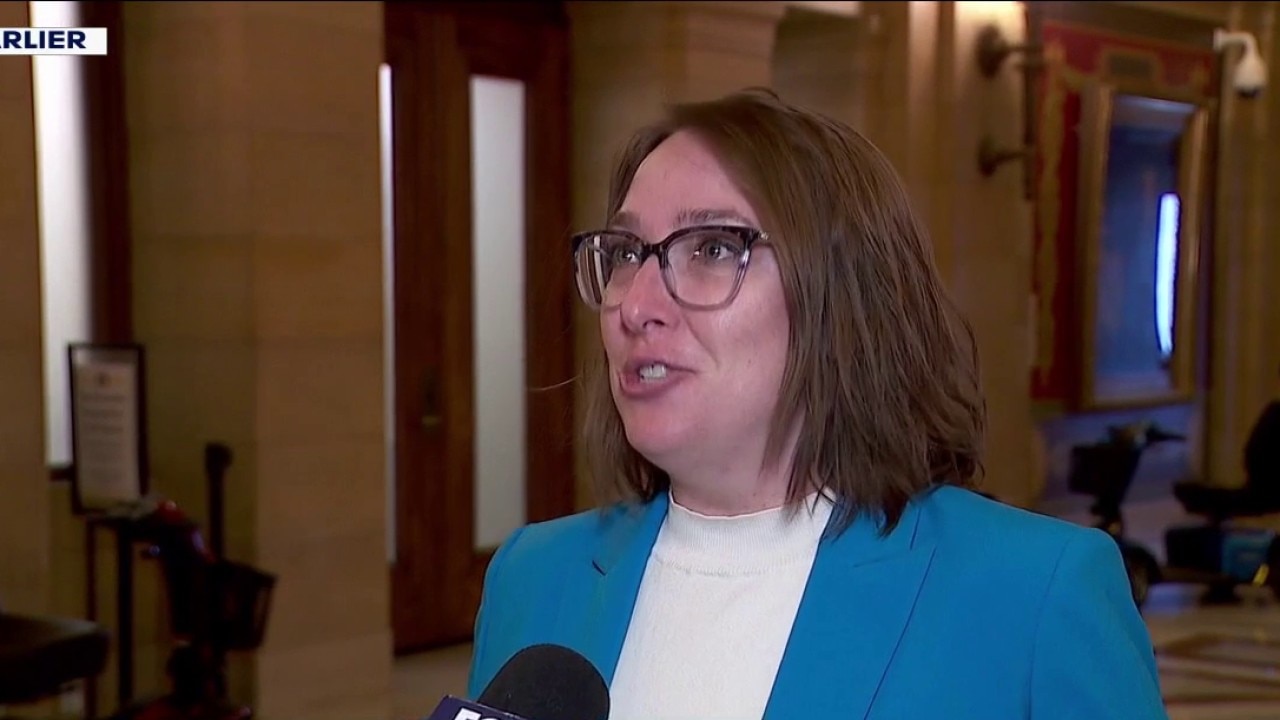
MN Democrats are working to ban AI-driven surveillance pricing.
Artificial intelligence is changing how prices are set at grocery stores and other businesses, and Minnesota lawmakers are stepping in to address concerns. FOX 9's Corin Hoggard has more.
What they're saying:
Despite concerns, Tahra Hoops from the Chamber of Progress noted, "Despite years of headlines about surveillance pricing, there's no comprehensive evidence that consumers are being systematically harmed by personalized pricing."
FOX 9 tested the Cub Foods app to see if different people would pay different prices for the same items at the same store. We found that a frequent shopper paid more for soy sauce, eggs, and orange juice compared to an infrequent shopper, raising fairness concerns.
Rep. Andy Smith from Rochester remarked, "At a very basic level, those two Minnesotans are going to say, ‘That's not fair’. It's not going to sit well with them."
What's next:
Two bills introduced by DFL lawmakers aim to ban surveillance pricing—one focusing on grocery stores and the other on all other businesses.
What we don't know:
It remains unclear how these proposed bills will impact businesses that have invested in dynamic pricing technology.