

MN fraud response: Gov. Walz announces major plan to centralize, modernize DHS
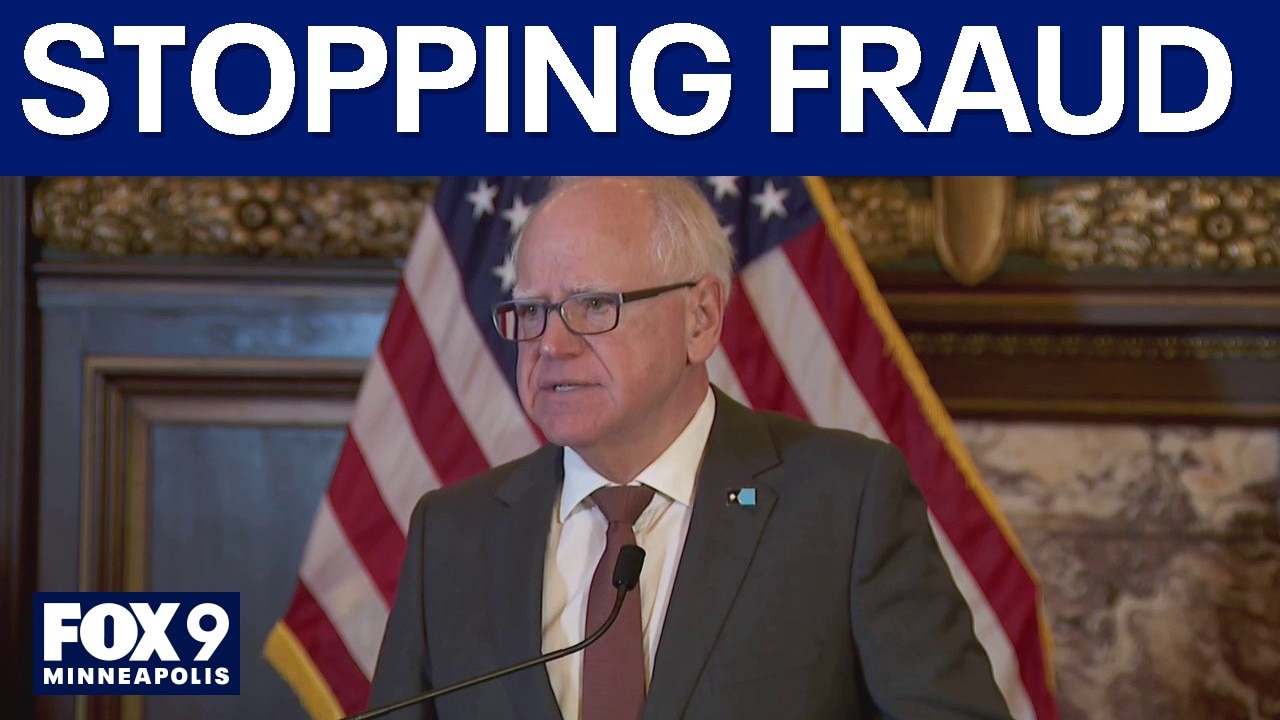
Gov. Walz outlines major plan to overhaul DHS
Gov. Tim Walz outlines his plan to centralize and modernize the Department of Human Services after its Medicaid programs have been hit with repeated fraud issues.
ST. PAUL, Minn. (FOX 9) - Gov. Tim Walz announced a major plan on Tuesday to modernize and centralize the Department of Human Services as part of an effort to crackdown on fraud in Minnesota's Medicaid programs.
Governor's plan for DHS
What we know:
Governor Walz's plan comes with two major components. First, the state would shift away from "complex, layered administration managed by a patchwork of counties, Managed Care Organizations, and state agencies" to a centralized entity run by the state.
At the same time, the state would also work to upgrade its Medicaid administration systems, which the governor says are "grossly outdated."
The price tag:
The price tag for the project won't be cheap. Budget Director Ahna Minge put the costs of the state takeover of county eligibility responsibilities at $17 million in the first budget cycle and $55 million in the next cycle. It's not yet clear how much it will cost to modernize computer systems within DHS. Those costs will be included in the governor's budget proposal.
And the current plan doesn't call for a full state takeover of the Department of Human Services administration.
Rather, the state is only planning on assuming responsibility for eligibility determinations and certain medical assistance eligibility processes. The state would, however, conduct a study looking at the status of responsibilities shared by the state, counties, and tribes and determine how the Department of Human Services should move forward.
But, speaking Tuesday, state leaders said they believe, in the long run, the plan will prove to be a cost saver for counties.
What they're saying:
The governor says he knows implementing the changes might not be easy, but it will be what's best for DHS in the long run.
"I'm willing to take the, you know, whatever political heat there is for making these massive changes that need to be done," said Gov. Tim Walz. "But in the long run, everybody will be served better by them."
DFL criticism
The other side:
Not long before Gov. Walz held his news conference on Tuesday, he got a rebuke from a member on his side of the aisle.
Sen. John Hoffman put out a statement chiding the governor for not sharing his proposal with lawmakers earlier. The statement reads:
"As Chair of the Senate Human Services Committee, I was disappointed to learn about this proposal just last night without a thorough conversation with the committee that has primary jurisdiction over Minnesota’s human services system.
"The Human Services Committee has spent years working on program integrity, improving service delivery, and strengthening accountability within Medicaid and our broader human services programs.
"Major structural changes to a system that serves hundreds of thousands of Minnesotans require thoughtful collaboration between the executive branch and the Legislature. The Senate Human Services Committee exists specifically to examine these types of proposals, hear from stakeholders, and ensure reforms are implemented responsibly.
"Moving forward, I hope the administration will engage directly with the Legislature so we can work together to improve outcomes, strengthen accountability, and protect the people who depend on Minnesota’s human services programs."
Gov. Walz responded to Hoffman's statement at his news conference:
"With all due respect, he didn't just find out about it," said Walz. "They do have jurisdiction. They need to work on it. The executive branch is responsible for carrying these out – and and to be very candid, we're telling you that the way some of these things are structured are antiquated, and we need to work together. So, look, Senator Hoffman is an expert in this. I look, I look forward to meeting and working with them. But we've got a responsibility to put our proposals out. So just candidly, I'm a little disappointed that we would start with that because these are conversations that were brought to me before I was even elected governor and said, you're going to have to do something with DHS. You don't have to tackle DHS. It's antiquated computer systems. It's decentralized control.
"So, yeah, we're going to need legislative buy-in, and I know there's people over there that are serious about it," added the governor. "Senator Hoffman is one of them, not just talking about admiring the problem and continuing to have hearings that should have happened five years ago. That's not getting us any closer. We're getting the data that we need. I think the window and the insight into where things are at. And now we're proposing fixes to this."
Minnesota fraud problems
The backstory:
The proposal comes days after Governor Walz faced questioning during a Congressional hearing last week. That same day, Congressional leaders released a report that looked at Minnesota's fraud situation, including the circumstances around the state resuming funding for Feeding our Future after first suspecting fraud in 2021.
In recent weeks, state Program Integrity Director Tim O'Malley also released a comprehensive report looking at the state fraud problem that found failures dating back decades. In the report, O'Malley included statements from former Department of Human Services workers who said directors put "compassion over compliance" when it came to fraud oversight.
Last month, Gov. Walz also proposed his plan to combat fraud in Minnesota, which included expanding audits, increasing the use of analytical and machine learning techniques to identify fraud, and increasing penalties for violators.
Big picture view:
The Minnesota Department of Human Services has identified 14 Medicaid programs as high risk for fraud. In response, the department has begun freezing enrollment and reviewing payments to address these concerns.
In December, federal prosecutors estimated half or more of the $18 billion in payments made by those 14 Medicaid programs since 2018 could be fraudulent. State leaders have highly contested those estimates, saying, at this point, the state is not aware of fraud at anywhere near that magnitude. Still, state leaders have acted aggressively to address the fraud risks.
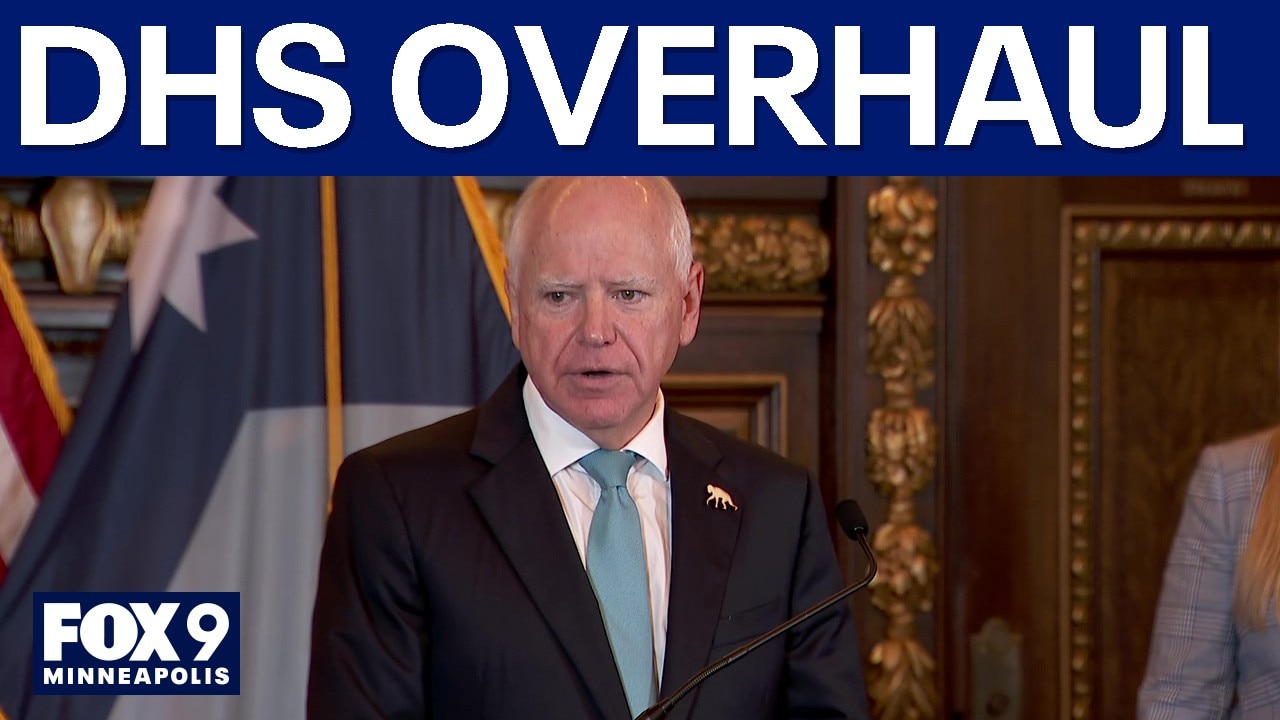
Gov. Walz to outline plan to 'transform' DHS
Gov. Walz is set to detail his plan to transform the Department of Human Services on Tuesday.
Federal funding at risk
What they're saying:
The Trump administration has also responded aggressively to the fraud concerns, using fraud as a motive for the recent ICE surge in Minnesota. The administration has also threatened to withhold billions in Medicaid funding unless the state makes necessary changes to reduce the risk of fraud.