

St. Paul housing dashboard highlights development, rental cost shifts
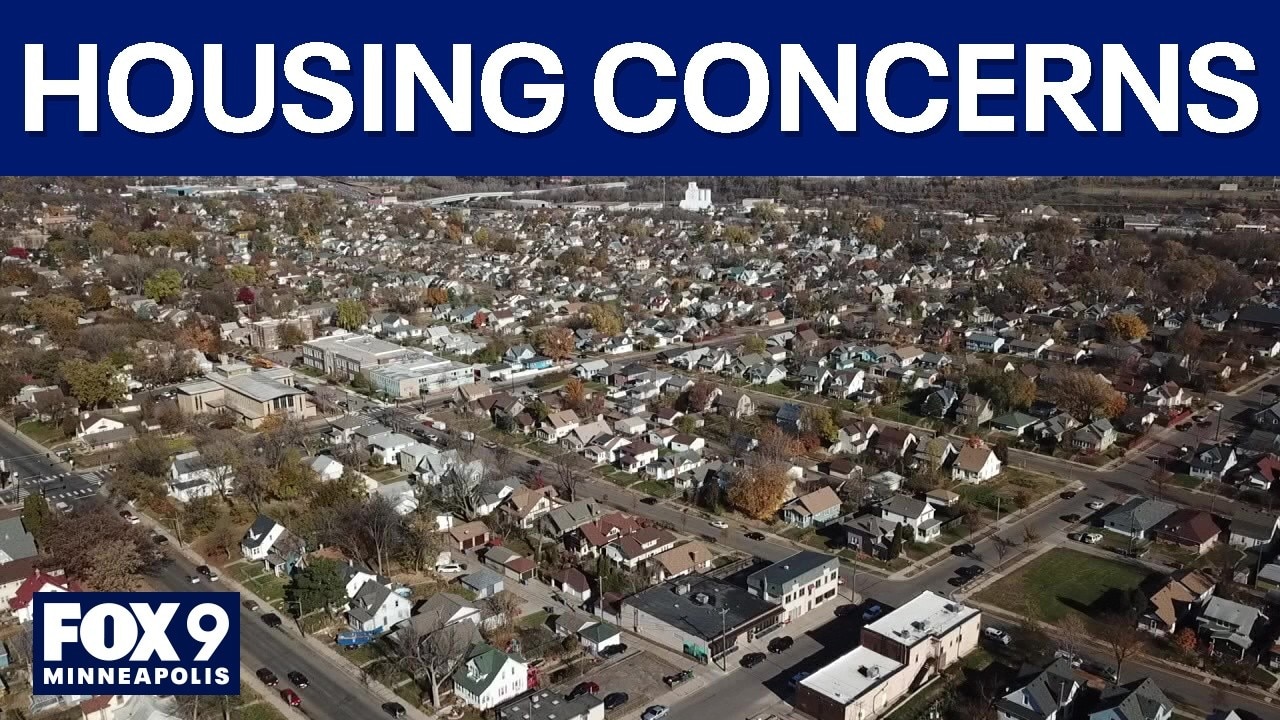
Minnesota housing misses goals
The Twin Cities missed annual goals for new housing, affordable units and Black homeownership, according to a recent report. FOX 9’s Leon Purvis has the details.
ST. PAUL, Minn. (FOX 9) - A new data dashboard from the Federal Reserve Bank of Minneapolis shines a light on St. Paul’s evolving housing market, revealing both progress and ongoing challenges for renters and residents.
St. Paul zoning and rent policies reshape development
What we know:
In 2023, St. Paul officials adjusted its zoning code, allowing up to four or five units per lot in most areas, aiming to encourage more "missing middle" housing like duplexes and quadplexes.
The city’s new zoning districts, H1 and H2, are designed to encourage both more housing units and larger family-friendly homes, especially near transit.
The following year, the city permitted 76 units in two-, three-, or four-unit buildings — matching the total from the previous 10 years combined, data outlines.
Rents, property taxes and affordability trends
Dig deeper:
The change, however, doesn't mean that developers lined up to begin building.
Data shows that St. Paul saw a surge in multifamily housing construction between 2019 and 2021, with more than 2,000 new units permitted each year at its peak. However, permits dropped sharply to 404 in 2024 and 357 in 2025.
The city’s 2021 rent stabilization ordinance, which limits most rent increases to 3% annually, which has been amended to exempt new construction and affordable housing, has made some investors hesitant, slowing market-rate rental development, according to the report.
After adjusting for inflation, typical St. Paul rents peaked at $1,618 in October 2020, and dropped 10% to $1,456 by March 2026. The vacancy rate in downtown St. Paul peaked at 13.5% in 2020, and dropped to 9% in 2025, according to the data.
However, despite lower rents and more affordable options, some renters — especially those in the middle-income range — are still struggling to keep up with housing costs.
Data shows that the share of renters spending more than 30% of their income on housing has stayed relatively steady between 44% and 51% over the past decade. But middle-class renters earning between $35,000 to $49,999 saw their housing-cost burden spike to more than 80% in 2022, before easing to 67.7% in 2024.
The median sales price for an apartment unit in St. Paul fell from $160,525 in 2020, to $103,249 in 2025 — a 36% drop.
Meanwhile, annual property taxes on a median-priced single-family home rose from $3,442 to $4,264.
The backstory:
While Minneapolis drew national attention for its 2040 Plan, the data suggests that St. Paul’s zoning reforms and rent stabilization have had an effective, albeit underwhelming local impact.
The Source: Information provided by the Federal Reserve Bank of Minneapolis’ St. Paul Housing Dashboard and related report.