

ICE surveillance: MN attorney general responds to undercover operations
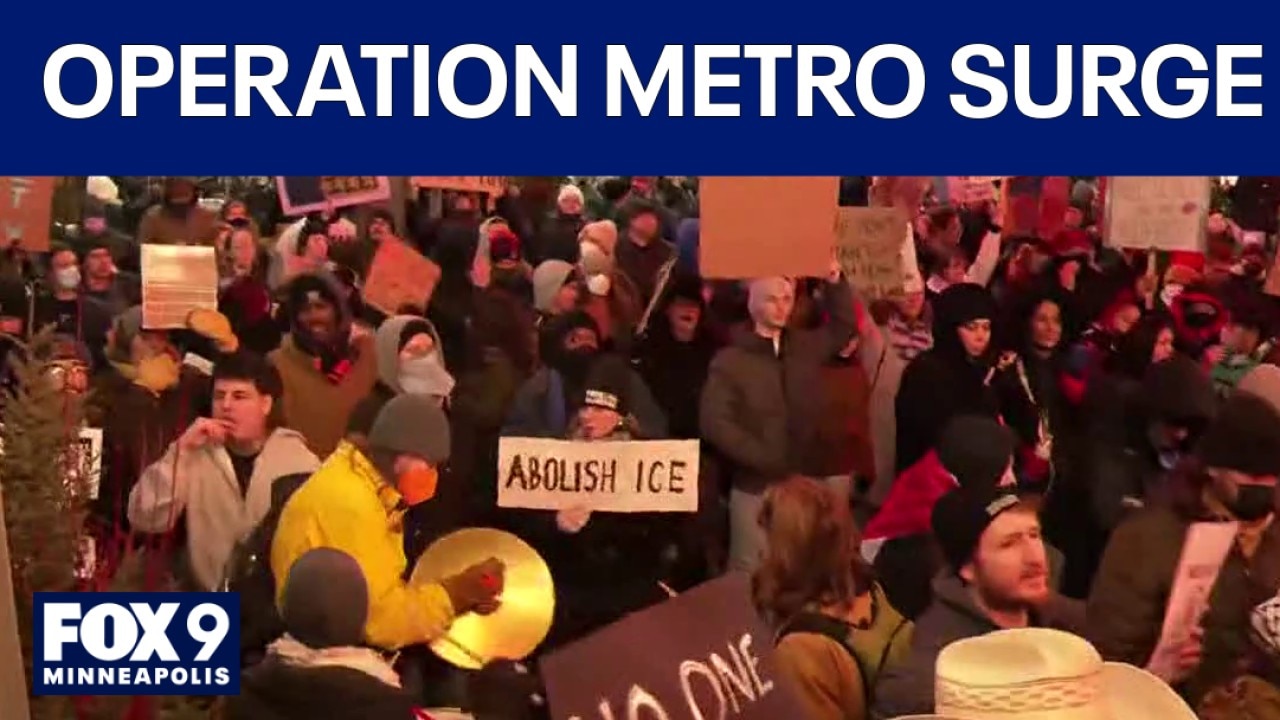
Undercover DHS agents infiltrated anti-ICE meetings, labor unions during Operation Metro Surge
New court filings are raising questions about the extent of federal surveillance on Minnesotans who protested against Immigration and Customs Enforcement during Operation Metro Surge. FOX 9's Emily Pofahl has the story.
ST. PAUL, Minn. (FOX 9) - Minnesota Attorney General Keith Ellison called the Department of Homeland Security's actions "appalling and alarming" after it was found that undercover agents infiltrated activist, labor union and church meetings during Operation Metro Surge.
READ MORE: Undercover DHS agents surveilled activists, labor unions during Operation Metro Surge
AG Ellison calls surveillance ‘appalling and alarming’
What they're saying:
Ellison released the following statement Friday in response to reports that DHS agents surveilled activists and labor unions:
"The Trump administration’s extensive surveillance of Minnesotans for exercising their constitutionally protected, basic First Amendment rights to protest and hold their government accountable is appalling and alarming.
"What it’s not is surprising. Trump has shown over and over he believes the federal government exists primarily to investigate, prosecute, and retaliate against his political enemies. America was founded on righteous protest and Trump’s retaliation against it is fundamentally anti-American.
"If Trump can't handle peaceful, constitutional protests, his agents shouldn't have abused their power, violated our rights, and shot two Minnesotans dead during Metro Surge."
Federal investigation targeted activists and labor unions
Dig deeper:
Court documents show the surveillance operations were called "Operation Puppet Master" and "Project Whipple Shield."
The reports became public after they were made part of a discovery filing by defense attorney Kevin Riach in the case of a man accused of conspiracy to impede or injure federal officers.
The stated goal of these operations, according to the DHS reports, was to crack down on "violent opportunists" who they say used protests as cover to try to breach federal properties and assault federal officers.
Riach argues that DHS "embarked on an improper investigation of First Amendment protected activity without any suggestion that the investigation’s targets had committed any crime."
In one late December case described in the documents, an undercover agent attended a meeting at a Minneapolis public library and learned of a planned "noise demonstration" outside a hotel believed to be housing out-of-town ICE agents. The agent tipped off Homeland Security Investigators (HSI), and later joined a Signal chat used by citizens tracking ICE’s movements.
The filings also detail undercover agents wearing wires, secretly recording meetings and using artificial intelligence to search for protestor photos online. At one anti-ICE meeting in Roseville, agents recorded license plates of vehicles outside, then ran the plate numbers and collected information to create dossiers of those in attendance.
The court documents include what appears to be a PowerPoint slide titled "The Conspiracy." On it is a web of labor unions and activist organizations federal investigators believed were connected to Direct Action Minnesota, a group at the center of the indictment.
The Source: This story uses information taken from a statement shared by the Minnesota Attorney General's Office, court documents and previous FOX 9 reporting.