

Minnesota stroke survivor: How storytelling helped her recovery after 3 strokes
Minnesota stroke survivor: How storytelling helped her recovery after 3 strokes
A Minnesota woman’s journey through stroke recovery is helping shine a light on the importance of awareness, support and storytelling. FOX 9's Tim Blotz has the story.
MINNEAPOLIS (FOX 9) - A Minnesota woman’s journey through stroke recovery is helping shine a light on the importance of awareness, support and storytelling.
Strides for Stroke Walk brings survivors and supporters together
What we know:
Stroke is now the fifth leading cause of death in Minnesota, with the Department of Health reporting about 13,000 hospitalizations for acute stroke in 2022.
"The last estimates are over 97,000 Minnesotans live with the effects of stroke," said Brad Donaldson, CEO of the Minnesota Stroke Association. Recognizing the symptoms right away can reduce the brain damage caused by stroke and help reduce the recovery time.
"We use the acronym BEFAST. B for balance issues, E for eye, meaning vision changes or vision issues. F is for facial weakness. A is arm weakness, S is speech difficulty or trouble speaking, and T. Time loss is brain loss. Time to call 911. Don't wait," Donaldson emphasized. "What we'd hope people would know is that stroke can happen to anyone at any time. And if you're ever in doubt, seek medical attention."
Hundreds are expected to gather at Long Lake Regional Park in New Brighton on Saturday morning May 16th for the Strides for Stroke Walk, an event that raises awareness and funds for survivors’ recovery support.
The walk will amplify the voices of survivors and connect them with vital resources. "This community comes out to support each other time and time again, and it is so empowering for individuals that are walking this journey," said Donaldson.
A storyteller’s journey through recovery
Why you should care:
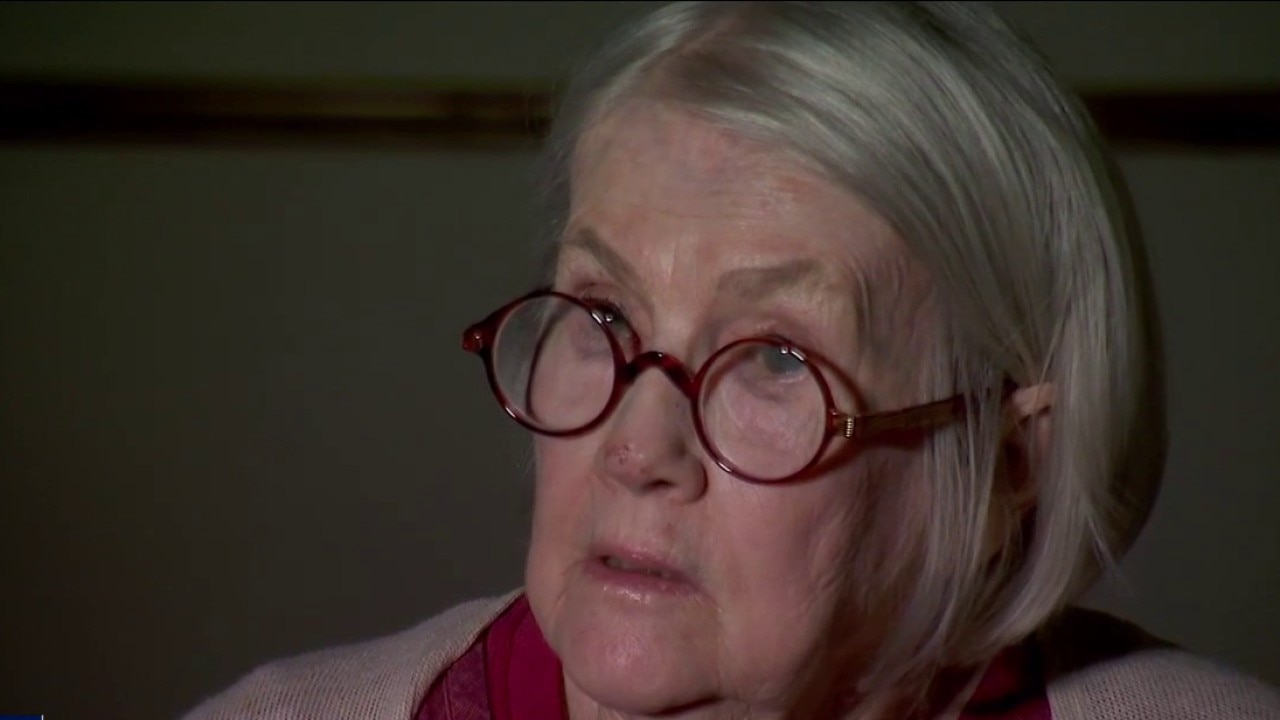
Ann Reay, a former performer at the Minnesota Children’s Museum and a professional storyteller, knows firsthand how quickly life can change after her children noticed something was wrong.
"They said, Mom, you're making typos. You're slurring your words. You don't do that. You speak for a living," said Reay of the sudden concern from her children. "My kids talked me into going over to the Hennepin County Medical Center. I cannot say enough about them."
The team at HCMC determined Reay had two strokes, and she suffered a third while in recovery with her occupational therapist.
"She said your words are not making any sense. You have no color in your face. You're having a stroke right now," said Reay recalling the moment she was rushed into the emergency room. "What bothered me most was that my words weren't making any sense."
She credits storytelling with helping her recovery, saying, "The stories you tell yourself really determines how you are going to feel about your life. And feeling good about your life is important." Reay added, "A folktale or a fairy tale or a myth has been around for a long time and there's a reason why. It's about people overcoming difficulties."
Reay continues to write and share her story, encouraging others to find hope and connection. "It's better, I'm more hopeful than I've ever been. And I feel more connected simply because I need people," said Reay.
Local perspective:
Donaldson pointed out that stroke can affect anyone, regardless of age or background. "Stroke happens to any age range, any gender. It typically is viewed as a certain stereotype, and that is absolutely not true," said Donaldson. He noted that more young people are being diagnosed, likely due to increased awareness and better diagnosis.
The Strides for Stroke Walk is an opportunity for the community to unite around a common cause.
"It shows that no one goes through this alone. There is a strong community to support stroke in Minnesota. It also resonates to the general public in Minnesota that stroke matters. Look at all the individuals that have been affected by stroke. These are your loved ones, your friends, your neighbors, your coworkers, or yourself," said Donaldson.
The walk also serves as a reminder of the importance of early detection and support services that help survivors move forward.
Reay summed up her outlook by saying, "As the saying goes, we're all stories anyway. Just make a good one."
What we don't know:
- It is not yet clear how many new cases of stroke have occurred in Minnesota in 2026 or if hospitalization rates have changed since 2022.
- Specific details about the long-term outcomes for survivors like Reay or the full impact of this year’s Strides for Stroke Walk will become clearer after the event.
The Source: Interviews with Ann Reay and Brad Donaldson, Minnesota Stroke Association, and information from the Minnesota Department of Health.